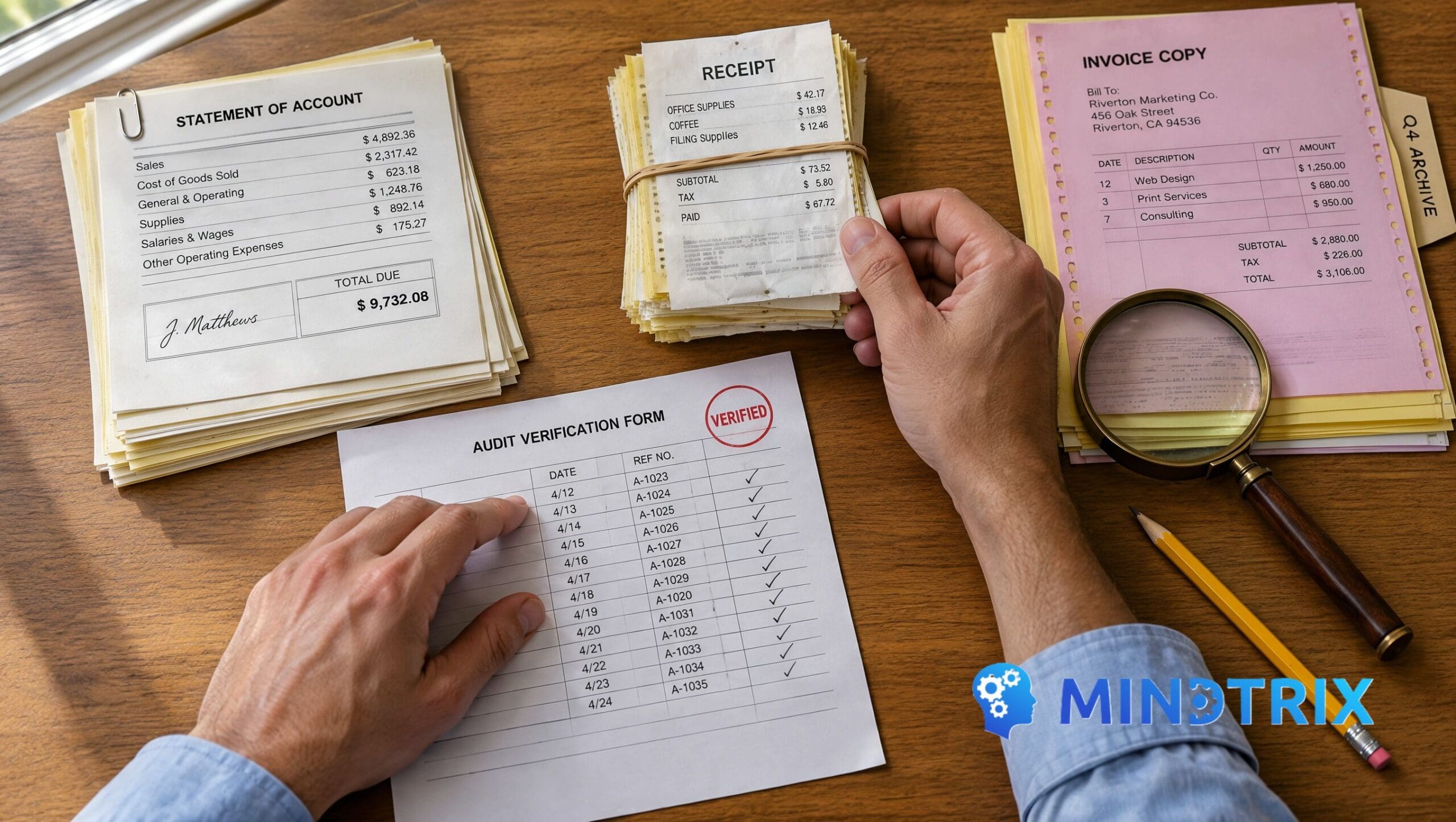
When a cannabis operator gets an audit letter, the first reaction is usually to ask what the IRS thinks is wrong with the return. That is the wrong question. In most cannabis exams, the return is the starting point. The real examination is of whether you can prove it.
An examiner does not need to catch you doing something clever. They only need to ask for support you cannot produce. When that happens, the deduction or the cost of goods sold figure you claimed does not get argued. It simply goes away.
Cost of Goods Sold Is the Whole Fight
For a business subject to 280E, cost of goods sold is generally the one place where costs can still reduce income. This is where examiners spend their time.
Expect questions in two layers. First, are you a reseller or a producer? A reseller generally capitalizes the invoice price of what it buys plus acquisition costs. A producer can capitalize direct materials, direct labor and certain indirect production costs. Which one you are drives everything that follows.
Second, once you have claimed a number, can you trace it? Examiners commonly ask for records that follow a cost from the original invoice, through your allocation method, to either COGS or a disallowed expense. They also look at whether items like retail rent, retail wages, advertising, insurance, interest and professional fees were properly kept out of COGS.
The Truth: a COGS number without a trail behind it is an opinion. An examiner is not required to agree with your opinion.
What They Ask For (And When You Should Have Built It)
Based on how these exams are described by practitioners who handle them, the document requests tend to cluster around a few themes.
- Space and utilities. Measured floor plans separating production areas from retail or office areas, and utility records that support the share you assigned to production.
- People. Payroll broken out by function, plus time records that show who actually worked on production and how much.
- Materials and equipment. Direct material invoices and equipment usage logs.
- Inventory. Seed-to-sale batch records that reconcile to your books.
- Money. Bank statements, deposits and cash disbursements, especially if you run a cash-heavy operation.
Notice what these have in common. Almost none of them can be created well after the fact. A time record signed at year-end from memory looks like what it is.
Red Flag: if your allocation file was assembled in the same month your return was filed, the examiner will notice, and accuracy-related penalties become a real possibility.
Cash Gets Its Own Scrutiny
Cannabis businesses handle more cash than most, and the IRS knows it. When books look unreliable, examiners can reconstruct income from bank deposits and cash expenditures, or use markup and net worth methods. None of those are friendly to you.
Common patterns that draw attention include bank balances that rise while reported profit stays flat, a business that looks busy but reports persistent losses, and a lifestyle the return cannot explain. Large cash receipts can also trigger Form 8300 reporting requirements, so make sure those filings exist when they should.
What this means for you: reconcile your deposits to your sales reports every month. If your point-of-sale totals, seed-to-sale records and bank deposits do not agree, you want to find that out before an examiner does.
What Happened to Operators Who Couldn’t Prove It
This is not theoretical. In Alterman v. Commissioner, a Colorado dispensary owner argued that selling accessories like pipes and rolling papers was a separate business whose expenses should stay deductible. The Tax Court disagreed. It found one unitary business, and it noted that the owners had not kept records showing the accessory side stood on its own. The IRS had assessed deficiencies of more than $390,000 across two years, plus roughly $78,000 in accuracy-related penalties, and the court’s ruling left the owners without their deductions.
In Alternative Healthcare Advocates, a dispensary used a separate management company with the same owners to carry rent, staffing and advertising. The court treated both entities as one trafficking business. A separate legal entity, standing alone, did not save the deductions.
On the other side, CHAMP is often cited as a taxpayer win. The organization had detailed documentation showing two distinct lines of business, and that record carried the day.
The lesson is consistent. Structure alone does not protect you. Documentation of how the business actually operates does.
Build the File Before the Letter Arrives
Think of your audit file as something you maintain all year, not something you assemble under deadline.
- Write down your COGS and allocation methods. State the method, the drivers, the data behind them and the date you chose them.
- Keep contemporaneous records. Time records, utility data and batch records should be captured as they happen.
- Reconcile monthly. Sales, seed-to-sale and bank activity should tell the same story.
- Separate and document activities. If you have more than one line of business or entity, be ready to explain, with evidence, how they operate independently.
- Know who responds. Decide now who handles IRS correspondence, so nobody improvises a reply to an information document request.
The fix: an audit-ready file does not make an audit pleasant. It makes it short.
Your Return Is Only as Strong as Your Support
Filing a return tells the IRS what you think you owe. Your records tell the IRS whether to believe you. One of them gets examined, and it is not the one you filed.
Want to know whether your records would hold up in an audit? Mindtrix works exclusively with cannabis operators. We’ll review your COGS and allocation support, test your records against the requests examiners actually make, close the gaps, and stand next to you if the letter arrives. See our services and our audit defense work. Schedule your free assessment here.
If an examiner asked for your COGS support tomorrow, how long would it take you to produce it? Tell us in the comments.

Be The First To Comment